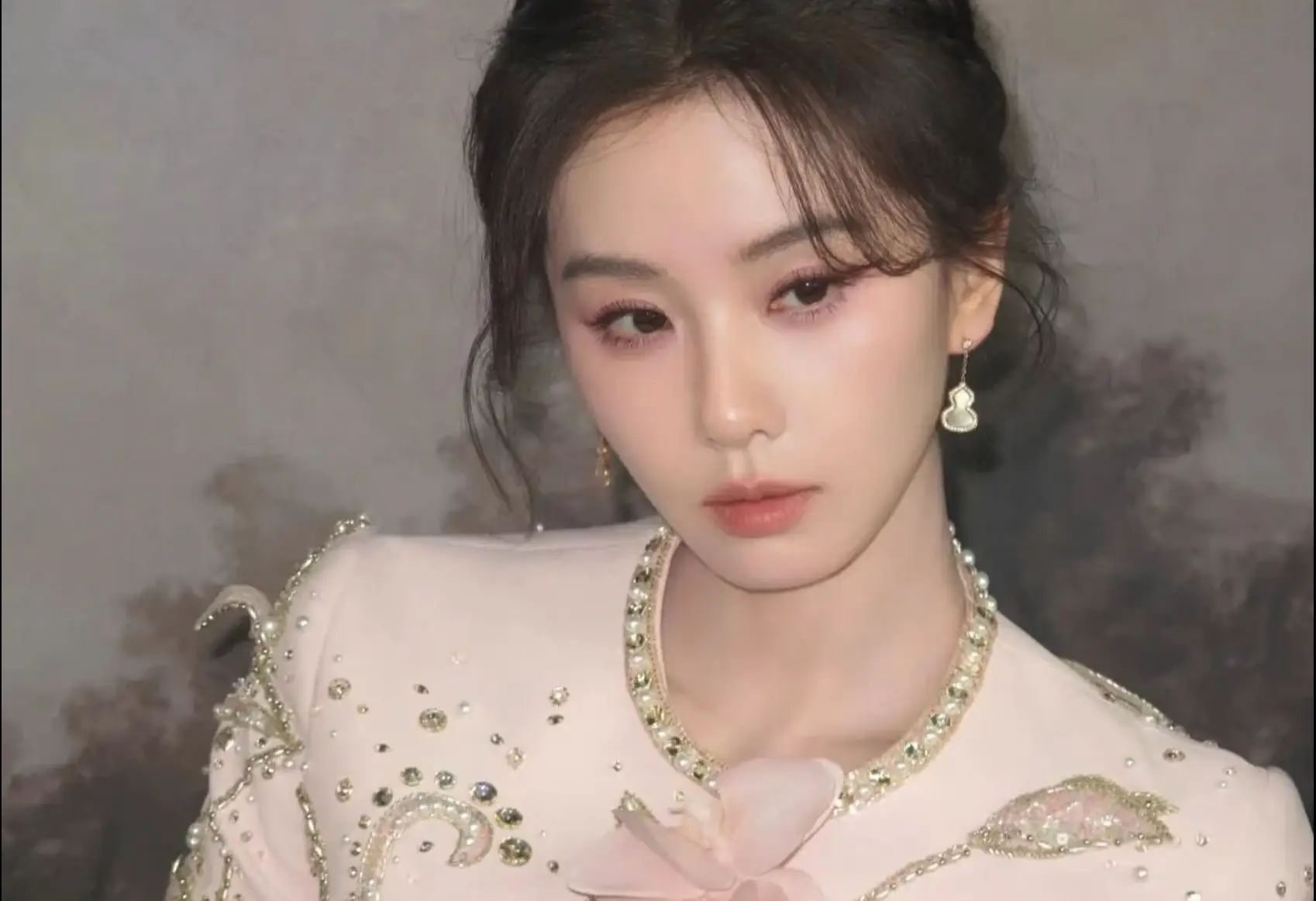
Why A Museum Portrait Works Better Than A Generic Stylized Photo
A lot of stylized portraits still feel disposable. They may be visually attractive, but they do not create the kind of presence people stop to look at. A museum portrait works differently because it adds story, status, and visual hierarchy. Instead of just showing the person, it frames them as the subject of an exhibition. That instantly makes the image feel more curated, more premium, and more memorable.
This is especially useful when a normal portrait feels too plain for the job. If you are creating social content, personal-brand visuals, campaign art, or eye-catching profile imagery, a museum-style portrait gives you something richer than a standard studio shot. The combination of a real photographic scene and a large classical oil painting behind the subject creates a much stronger sense of depth and intrigue.
What This Style Is Designed To Create
The goal is not just to stylize the person. The goal is to turn them into the centerpiece of a high-end exhibition scene.
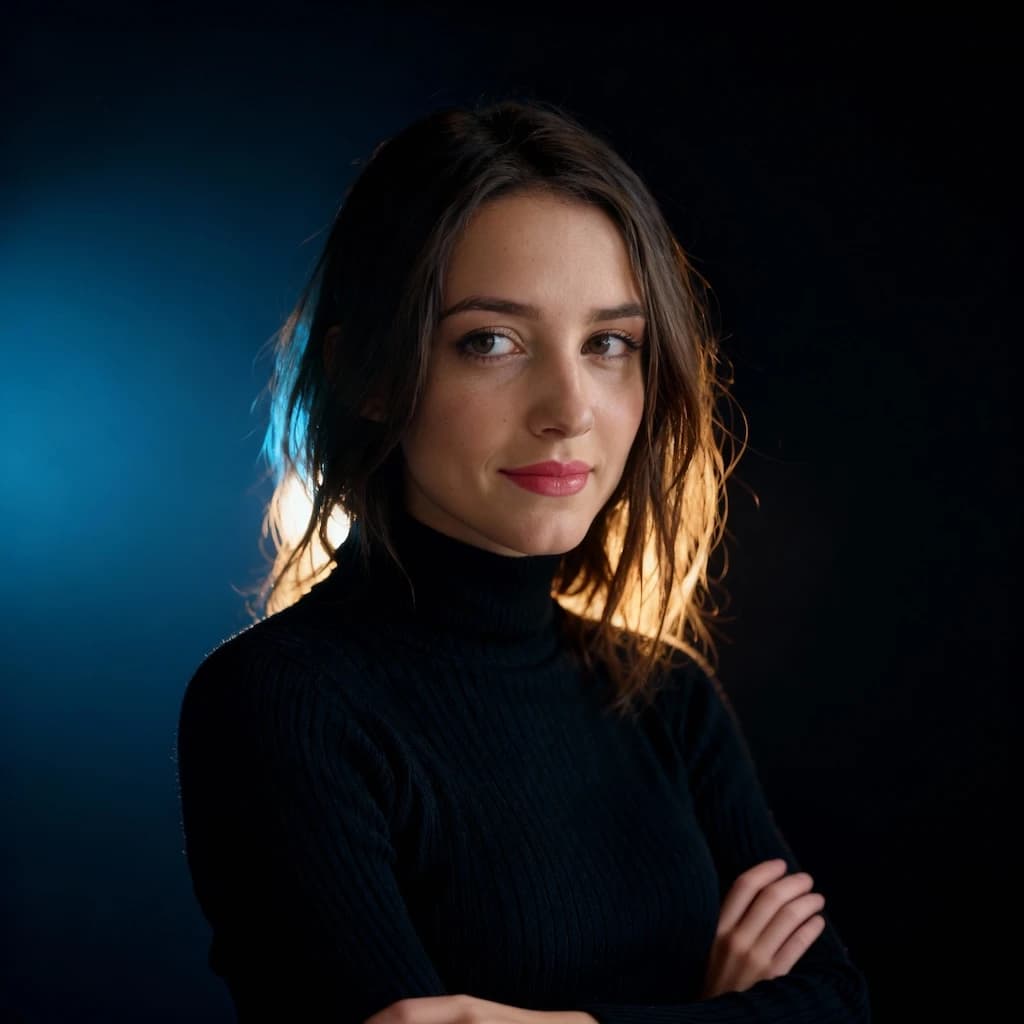
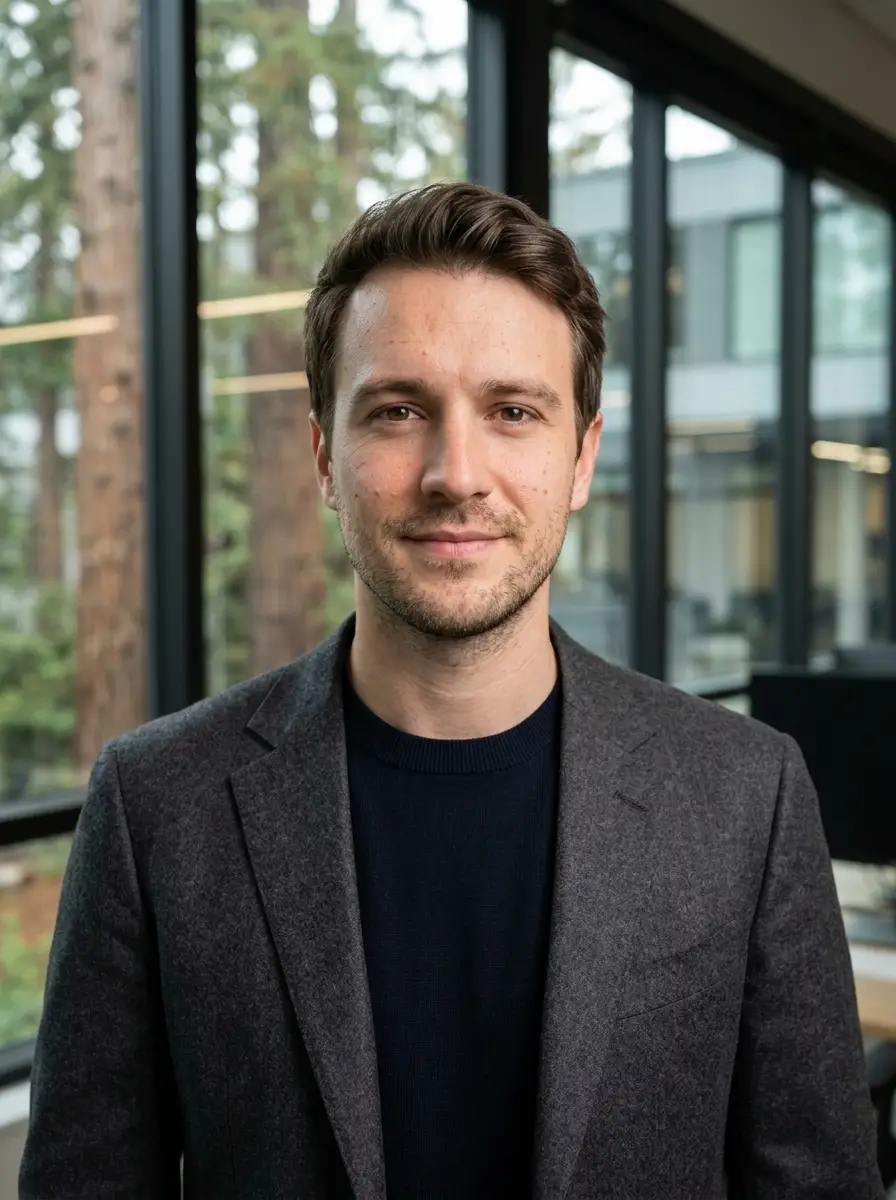
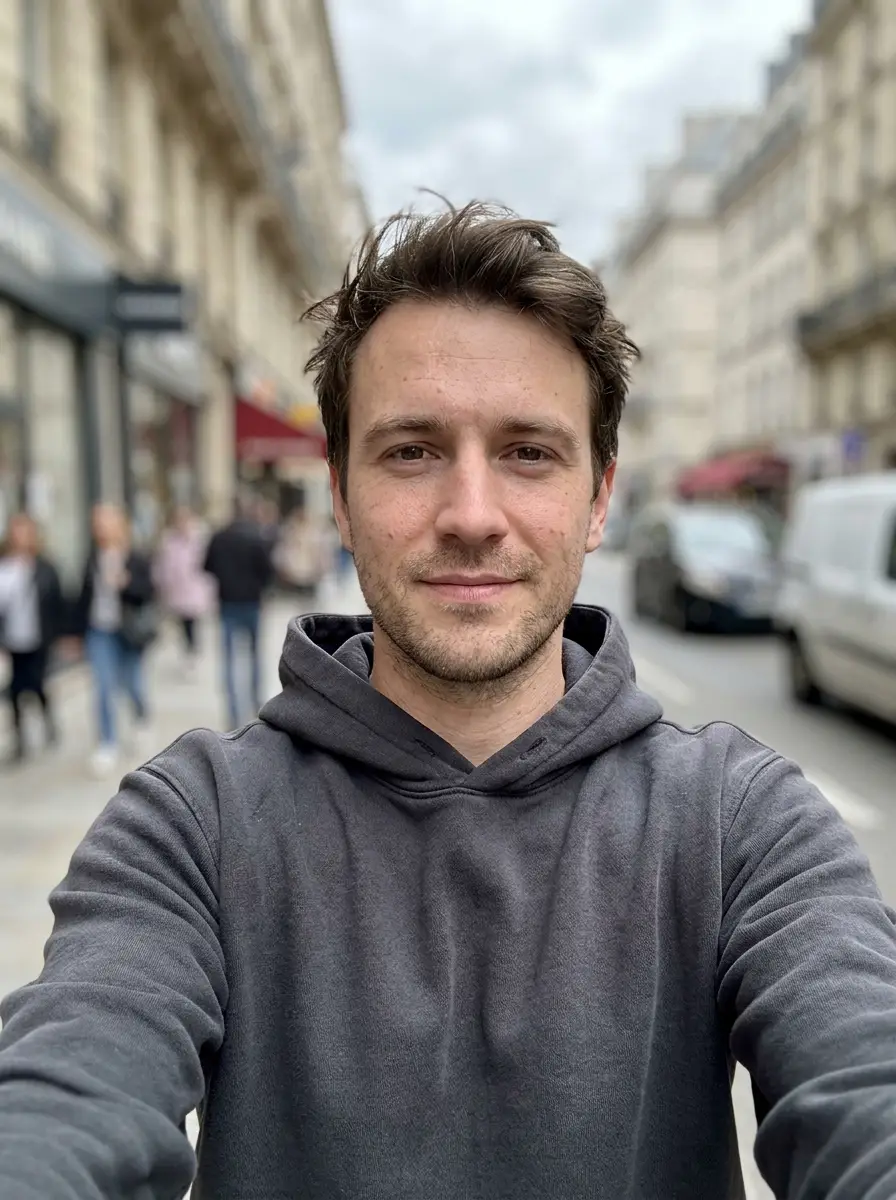
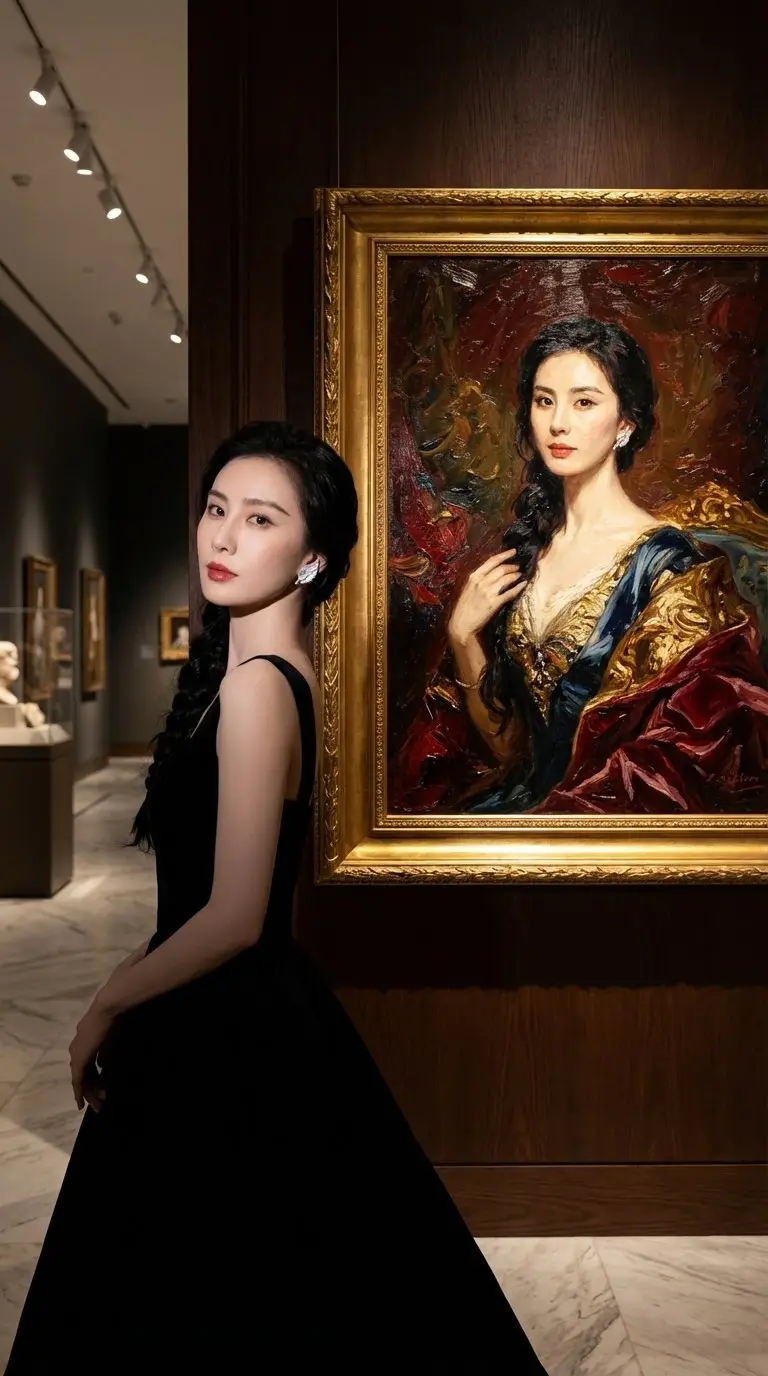
This page is tuned to create a commercial-grade photograph inside a luxury museum space while keeping the subject tied closely to the uploaded reference image. The standout effect comes from the framed painting in the background: the same person is reinterpreted as a classical oil-painting masterpiece with visible impasto brushstrokes, canvas depth, and rich traditional color.
That contrast is what makes the image work. The foreground subject feels present and cinematic, while the background painting adds scale, artistry, and narrative weight. Instead of a simple stylized portrait, you get a scene that feels like an exhibition photograph, editorial campaign, or high-concept gallery poster.
Why This Prompt Produces Stronger Visual Impact
The prompt is tightly structured around a very specific composition: museum setting, real person in frame, ornate classical painting behind them, strong gallery spotlights, and a texture-heavy oil-painting treatment. That specificity matters because broad "art portrait" prompts often drift into vague fantasy imagery that looks interesting but not premium. This one pushes the model toward a cleaner, more deliberate museum narrative.
It also gives the final image two layers of attention. First the viewer sees the photographed person, then the eye moves to the large painting behind them. That double-read makes the result feel more sophisticated than a single-plane portrait. It is a strong choice when the goal is not just beauty, but distinction.
Who Should Use This Museum Portrait Style
This style is a strong fit for creators, founders, artists, marketers, agencies, and anyone who needs a portrait that feels more concept-driven than a normal headshot. It works especially well for posters, album-style artwork, content thumbnails, visual campaigns, profile banners, and personal-brand assets where standing out matters more than looking purely conventional.
It is also useful if you want a more artistic identity piece without losing the person entirely. Because the workflow keeps the subject based on the uploaded image while turning the painting into the stylized element, the result can still feel recognizable while becoming much more visually ambitious.
Why Use This Instead Of Building The Scene Manually
Creating this look manually would normally require a location, a photographer, post-production work, compositing, and an artistically convincing painting treatment. That is a lot of effort for one concept image. A workflow like this is useful because it compresses that idea into a much faster generation path while keeping the visual direction clear.
It also makes iteration easier. Once you have a strong reference image, you can test different portrait subjects and create a consistent museum-style visual language for a campaign, social series, or personal brand without rebuilding the concept from scratch each time.